


Whoa! You probably think your seed phrase is the only thing to guard. Really? Hmm… my gut said the same at first. But then I watched a friend lose access not to a phrase but to a browser extension that blinked away permissions like confetti. Short version: browser-extension wallets are powerful, convenient, and quietly risky when you treat them like phone apps. Long version follows—stick with me.
I’ve been building and testing DeFi setups for years, tinkering with extensions and custom RPCs. Initially I thought all extensions were roughly the same, though actually I learned the hard way that subtle UX decisions change everything. On one hand browser wallets make on-chain interactions seamless; on the other, they surface attack vectors that plain hardware wallets avoid. My instinct said « trust but verify, » and that’s exactly how I changed my own workflow.
Here’s what bugs me about most guides: they obsess over seed backups and ignore day-to-day risks—approvals, malicious dapps, network spoofing, and session creep. (Oh, and by the way… scammers love urgency.) So before you sign another transaction or click « connect, » read this. I’ll be blunt: good habits beat perfect tech. But pairing better habits with smarter tools — like a wallet that pushes you to think instead of auto-approving — makes a real difference.
Threats that actually matter
Phishing is obvious. But the sneaky stuff is worse: contract approvals that give infinite spending rights, malicious front-ends that request tiny transactions to probe balances, and social-engineered prompts pretending to be routine gas adjustments. Seriously? Yes. Attackers are patient; they probe and wait. Often the first sign of a problem is a small unauthorized swap that nobody notices until it’s too late.
Then there’s network spoofing. A popup might tell you you’re on Mainnet while a rogue RPC shows a fake balance and tricks you into signing something that drains tokens. Initially I trusted the UI indicator, but then I realized many wallets render that info based on what the current dapp reports, not on a locked, verifiable source. So that little green checkmark? Not gospel. Actually, wait—let me rephrase that: trust the wallet less when it defers to external pages for critical state.
And approvals. Oh man. People give infinite approvals because it’s faster. It’s convenient, but it’s also an open door. I’m biased, but revoking allowances regularly is one of the best routines you can adopt. Do it monthly. Or after large trades. I’m not 100% sure the schedule matters more than the habit, but revoking keeps the blast radius small.
Practical habits that save wallets
Short checklist first: use hardware for large holdings, review approvals, avoid auto-approve, double-check RPCs, and limit daily exposure. Now a little color. When I trade, I separate wallets: one « hot » for small, daily interactions and another « cold-ish » for serious positions. This segmentation reduces stress and the chance of cascading loss. Also, keep a tiny buffer of gas in a separate account so you don’t have to expose your main stash to repeated contract interactions.
Use contract explorers. Confirm contract addresses before approving. If a site requests complex permissions, pause. Seriously—don’t rush. My friend once skimmed an approval and signed away NFTs because the interface made it look like a harmless listing fee. Somethin’ as small as a label can trick you if you’re on autopilot.
Why wallet UX matters more than you think
Wallets that make security visible and actionable reduce mistakes. For example, a wallet that shows granular allowance details in the approval modal forces a micro-decision instead of an auto-click. Another small thing: highlighting when a dapp requests to add a new token versus switching networks; those are very different threats. My instinct said « that’s trivial UI, » but repeated exposure proves cognitive load matters. People click what’s easy.
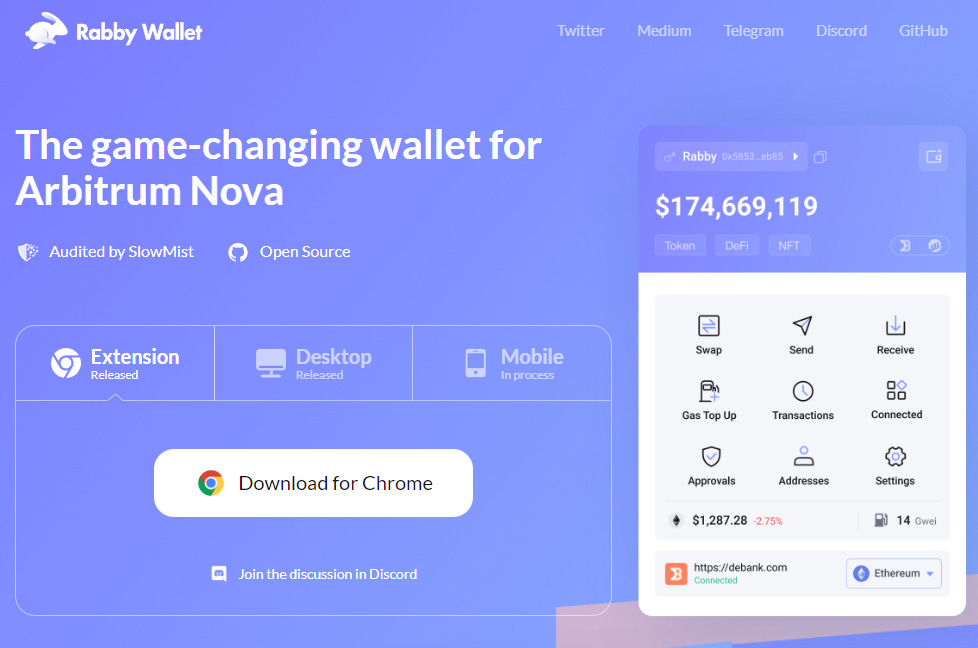
I’ve spent a lot of time testing extension wallets and comparing flows. One that stuck out for practical usage is rabby wallet. I mention it because it nudges users toward safer defaults and shows allowances more clearly than many competitors. I’m not shilling—I’m recommending based on repeated use. It integrates well with common DeFi patterns while keeping prompts clear; that combo matters in the real world where you make decisions under pressure.
Technical defenses worth adopting
Use a hardware wallet for high-value operations. No negotiation. Combine it with an extension that supports hardware signing so you get convenience without giving up the key. Also, disable auto-approve features and set spending limits when possible. If a dapp needs repeated access, consider one-time approvals or use a designated « spender » address with minimal funds.
Monitor approvals automatically. There are tools (and sometimes wallet features) that flag unusual allowances or transactions. Check them weekly. On one hand automation helps, though actually you still need to glance and think: is this expected? If not, revoke. On the second hand, too much automation without user prompts risks complacency—so balance is key.
Multi-signature and timelocks reduce single-point failure risks. If you manage treasury or pooled funds, require multiple approvals. Yes, it’s slightly inconvenient, but the inconvenience is a price you pay for resilience. In the startup world we call it « friction by design » and praise it when disaster is averted.
Behavioral tips — the human layer
Slow down. People trade fast, and that speed is exploited. Before signing: check the amount, check the recipient, inspect the contract address on Etherscan or a trusted explorer, and confirm network. If anything feels off, stop. My instinct sometimes says « just one more trade. » That’s when I breathe and step away. This pause catches many mistakes.
Keep two recovery methods. A written seed in a safe and an encrypted digital copy stored offline. Don’t keep seeds in cloud notes. Ever. Also periodically test recovery in a safe environment. A backup that hasn’t been tested is essentially imaginary. I had to recover a test account once and it taught me more than any paper tutorial ever could.
FAQ
How often should I revoke approvals?
Monthly is a good default for active users. If you interact daily, consider weekly checks. The key is regularity—not perfection. Revoking limits exposure if a dapp gets compromised.
Can I rely on extension wallets alone?
For small amounts, yes. For serious holdings, pair extensions with hardware wallets or multisig. Extensions are convenient, but they’re not a substitute for layered defenses.
What’s one habit that prevents the most loss?
Pause before you sign. That five-second rule stops impulse approvals and is surprisingly effective. Also, segment funds across multiple wallets—that reduces single-click catastrophe risk.
